
The Supreme Court Hosted a Meeting of the Network of the Presidents of the Supreme Judicial Courts of the European Union
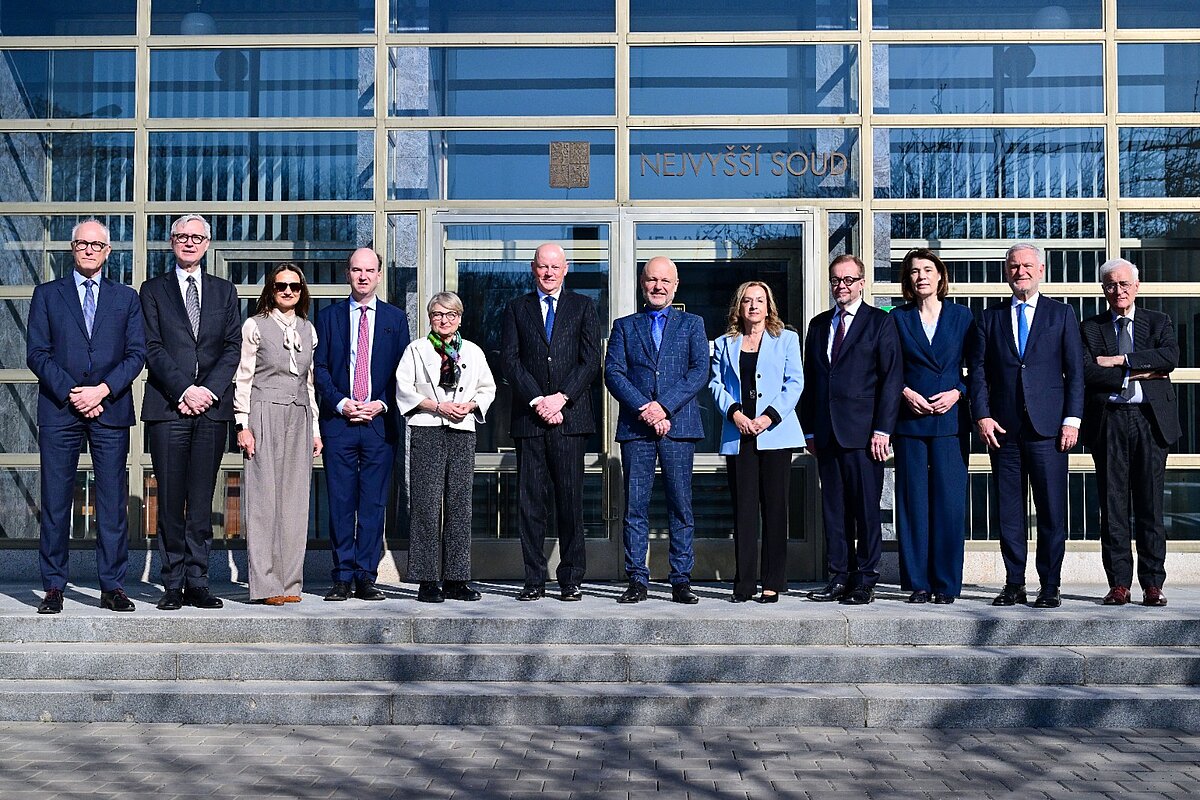
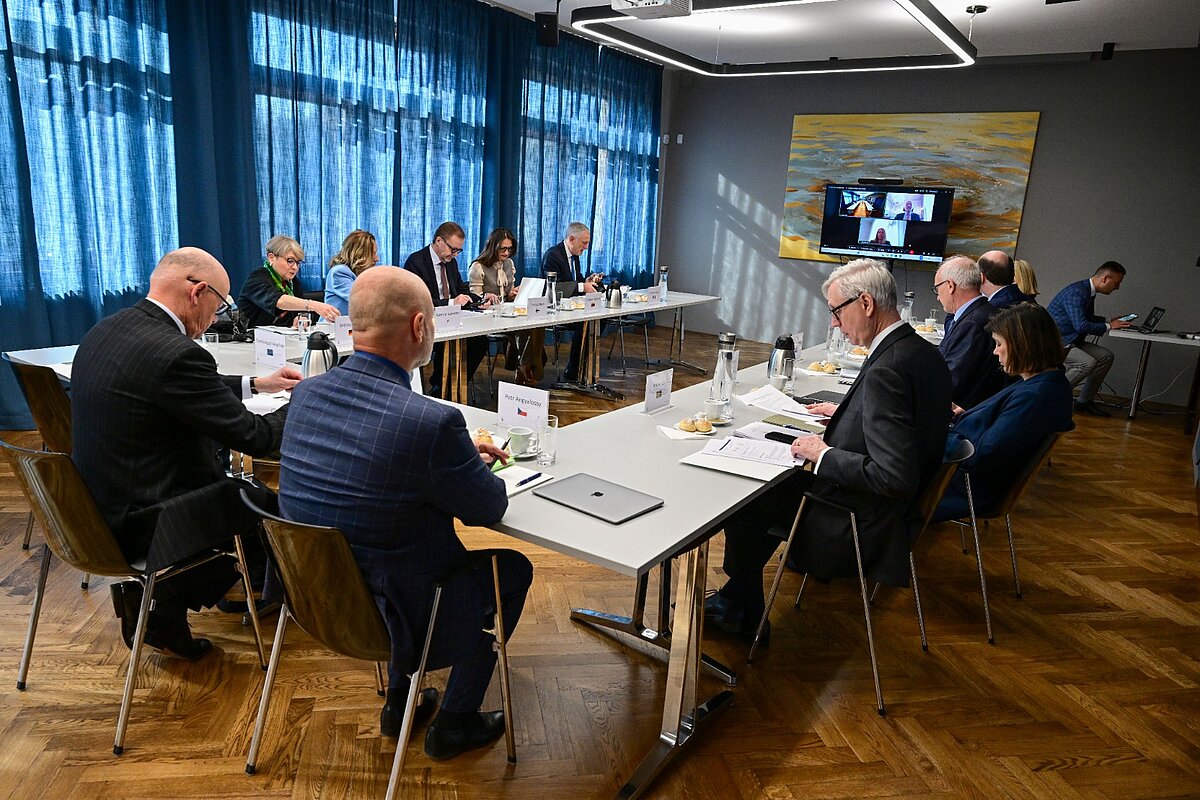
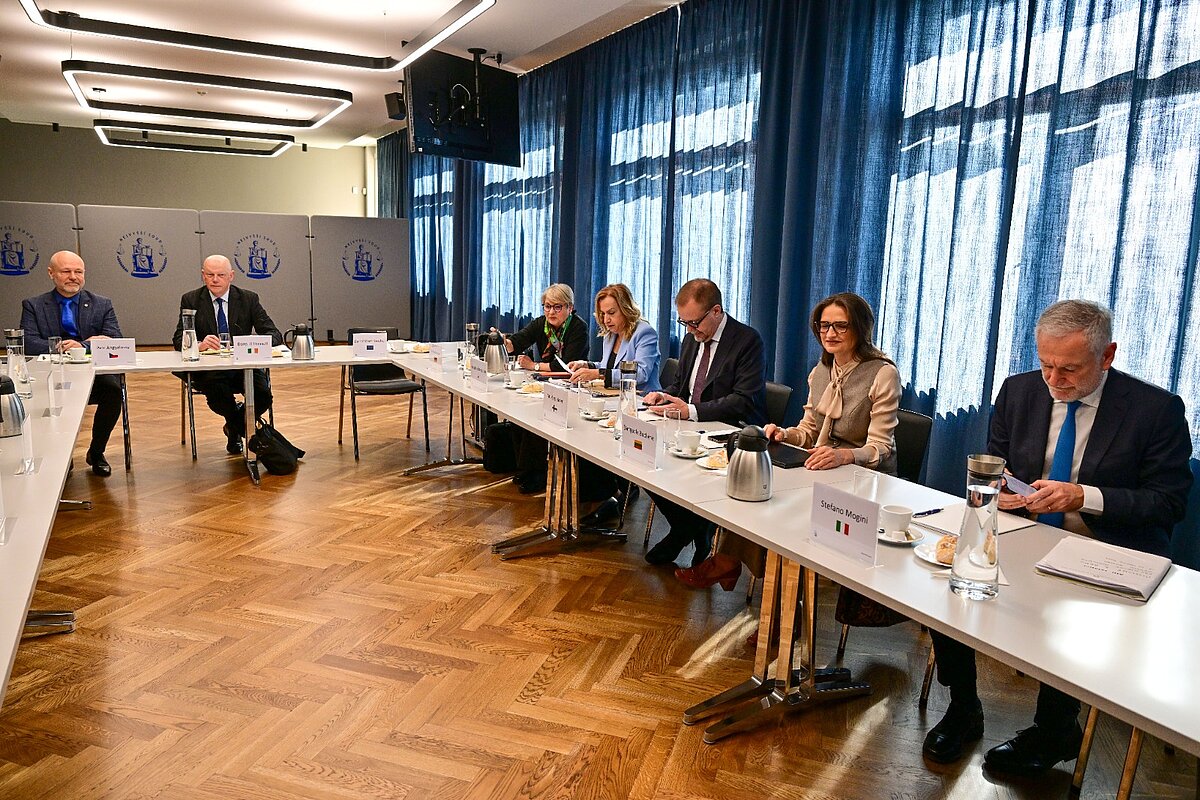
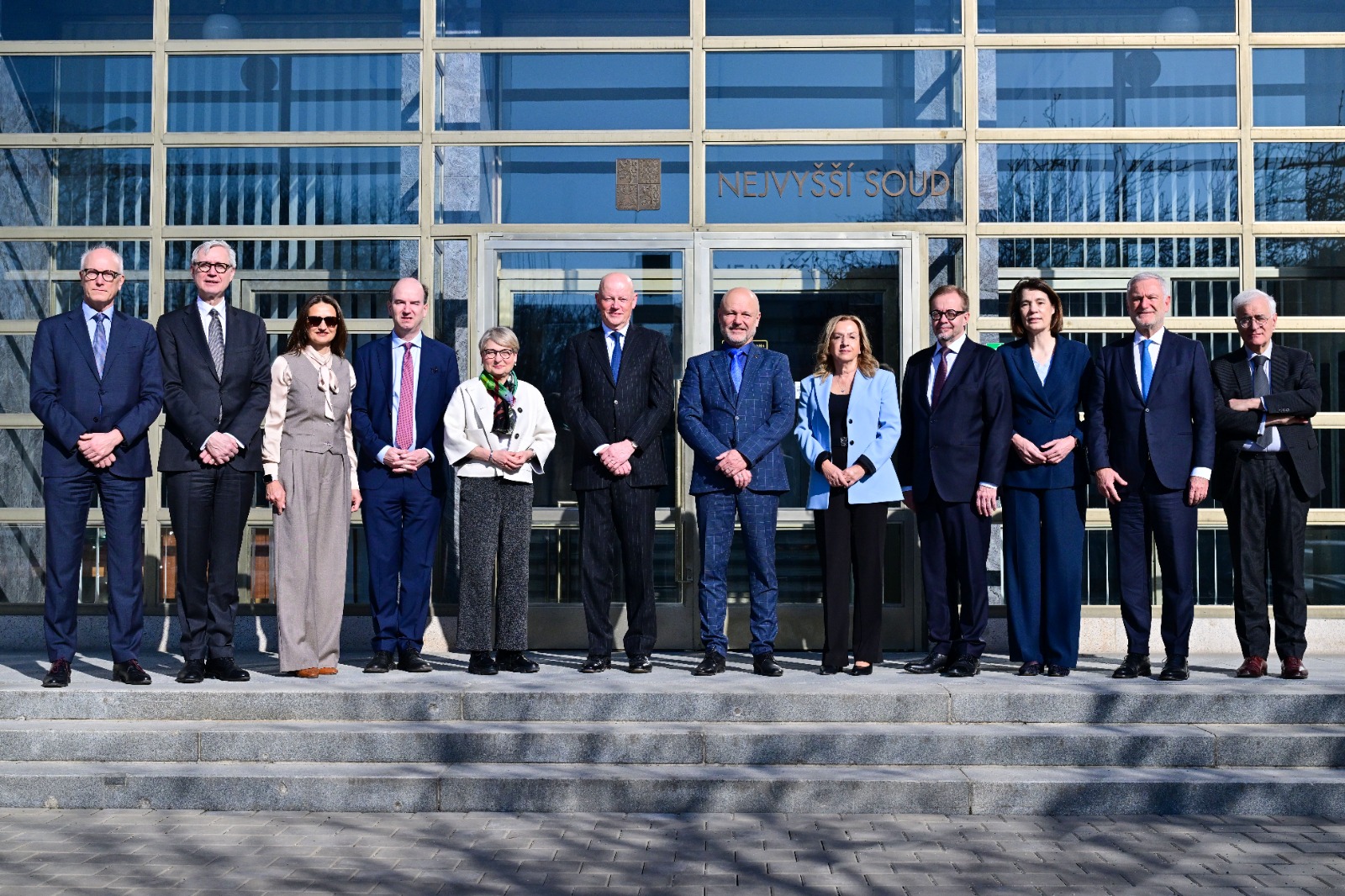
The Supreme Court hosted a meeting of the Board of the Network of the Presidents of the Supreme Judicial Courts of the European Union from 18 to 20 March 2026. The meeting built on the long-standing tradition of close cooperation among the supreme courts of EU Member States, providing a platform for the exchange of experience, strengthening judicial independence, and discussing common challenges facing European judiciary.
The Network of the Presidents of the Supreme Judicial Courts of the European Union was established in 2004 to promote more effective cooperation among European supreme courts. The members of the Network are the supreme courts of the Member States of the European Union. Associated members include Iceland, Liechtenstein, Norway, and the United Kingdom. Albania, Montenegro, Ukraine, and Serbia have observer status.
The Board of the Network is an important coordinating body of the Network, which takes measures to ensure the effective functioning of the Network and to guarantee high-quality judicial protection within the European area. The agenda of the Board, whose Vice-President is Petr Angyalossy, the President of the Supreme Court of the Czech Republic, focused primarily on the program of activities for 2026 and 2027, exchange programs for judges, and the organization of the Network of the Presidents’ Colloquium, which will take place this June in Limassol, Cyprus.
Another significant part of the Board’s meeting was a discussion between the Presidents of the supreme courts and the public, held as part of the “Noc práva” (Night of Law) event, focusing on the efficiency of judicial systems, the length of court proceedings, and ways to expedite them while maintaining a high level of professionalism and justice. The discussion also addressed the modernization of the judiciary, including the digitization of court proceedings, which has in recent years become key to ensuring the accessibility and efficiency of decision-making.
Another key topic of the discussion was the issue of court communication and building the public's trust in judicial institutions. Member States shared their experiences on how courts can communicate openly and clearly, and what tools can be used to strengthen the perception of the independence and authority of the judiciary. The discussion provided an opportunity to identify common principles and recommendations that can be further utilized across the entire Network.
“It is an honour for us to host the Presidents of the supreme courts of the European Union here in Brno, where the Czech judiciary has a long and strong tradition. This meeting is an opportunity not only to share experiences, but also to work together to find ways to strengthen the public’s trust in the courts and to increase the efficiency of judicial decision-making throughout Europe. I believe that our discussions will contribute to the continued development of European judicial culture and to strengthening cooperation among individual Member States,” added President Angyalossy.